Commercial Auto Insurance

High Risk Carrier Insurance

As a Commercial Truck Insurance Provider, we can help any company involved in the transportation industry that is considered high risk. We have an insurance solution to assist you no matter what your risk level is.

What is High Risk Carrier Insurance?

Trucking companies that have bad SAFER scores, high losses, accidents, driver issues, conditional ratings could be considered High Risk. High Risk means higher premiums and less flexibility in writing those policies. Culture is key to implement changes needed to pull yourself out of this category but that can take time to see the changes reflect in your SAFER scores and over the road performance. CNS Insurance has markets to shop the high-risk policy and a partner in CNS to assist with Risk mitigation.

Who needs it?

  • Long-Haul Carriers
  • Short-Haul Carriers
  • Construction and Excavators
  • Tow Truckers
  • Any high risk carrier
High Risk Carrier Insurance | Commercial Truck Insurance | CNS Insurance

Why do you need High Risk Carrier Insurance?

Risk assessments can help point out where the issues may lie. Improving hiring standards for drivers through DQ File services as well as ongoing driver training. Implementing new systems and processes for vehicle maintenance to ensure vehicles do not get sited for foreseeable maintenance issues. Updated policies and procedures in an updated company handbook to hold drivers accountable for their roadside performance.

CNS Insurance and CNS together have many success stories from turning clients from High Risk Trucking Carriers into Profitable and sustainable trucking carriers that only attract the best drivers.

High Risk Carrier Insurance Coverages

What Commercial Coverages do you need?

It is important to keep in mind legal requirements when obtaining trucking insurance. Commercial Truck Insurance is mandatory in all 50 states and failure to obtain coverage could cost you a lot of money in fines or even worse, your license. By law, you must have a minimum of 750,000 in auto liability and cargo coverage (coverage depends on what your trucks are hauling).Ā 

Basic High-Risk Insurance Coverages:

There are many coverages and terms to consider when choosing insurance, especially if you are considered a High Risk Carrier.

It is best to fill out a quote and we can provide the best policy for you.

Some instances when companies may need different types of coverage include:

Bob Tail Insurance

If you are an independent owner-operator looking for coverage on your business travel without a trailer attached, this would be a good option to cover your potential risk between loads and terminals.

Non-Trucking Liability

These policies provide you coverage while you are taking care of personal business aside from your company business.

Insurance Trailer Interchange Insurance

These policies provide coverage for a trailer used by multiple drivers when transporting a load to a destination. The coverage is directly related to the time the trailer and load is in your driver’s possession. Trailer Interchange insurance covers only damages to the trailer and not the goods that are part of the load.

Physical Damage Insurance

This includes your collision and comprehensive coverages. Collision pays on damage caused by impact with your truck being driven. Comprehensive covers damages to your truck for instance theft, storms, fires, falling objects, and more depending on the policy.

Recommended and Required Minimum Coverages

Below are some of the minimum coverage requirements and recommendations, however, we recommend talking to one of our Commercial Insurance Specialists to get specific recommendations on the coverage you need based on what you are hauling.

Liability Coverage
1 K

Auto Liability, also known as Bodily Injury Physical Damage (BIPD), is required by the FMCSA at a minimum coverage of $750,000 to obtain your MC authority.

1K-200K

Physical Damage Coverage

Physical Damage is not required for Commercial Truck Insurance, but we do recommend it. Coverage depends on what you are driving and can range from $1000 to $200K.

Truck Cargo Coverage
1 K

Truck Cargo Coverage is required by law, however the amount of coverage depends on what your trucks are hauling. Call one of our Trucking Insurance Specialists for a recommendation on minimum cargo coverage.

Specialty Commercial Auto Coverage

Diminished Value Insurance Coverage

Diminished Value Coverage accounts for the actual or perceived loss in market value or resale value of a car that was in an accident.

Truck Cargo

In many cases, the most valuable asset in your business is the cargo you haul. Truck Cargo coverage insures the contents of the trailer and much more so you are not liable for damages.

On-Hook Towing Insurance Coverage

On-Hook Towing Insurance Coverage pays for damages to a vehicle, such as fire or collision, while the car is in tow.

Garagekeepers Insurance Coverage

Garagekeeper coverage protects tow truck drivers against things like fire, theft, vandalism, or a collision with a vehicle they are towing.

Customers Reviews

Steps to get Commercial Truck Insurance

01

Request a quote

Before we can get you an estimate, we are going to need some information. Fill out a complete quote or quick quote to get started.

02

Get coverage

After we gather all of your information we will get back to you with a detailed breakdown of your coverage and how much it will cost.

03

Start saving

Our Commercial Truck Insurance specialists are constantly working to get you the best rates, whether you are a new or existing client.

CASE STUDY

Company A, a 9-truck carrier, approached CNS due to a problem in their operations. Their surplus lines carrier who was charging $190,000 annually for 9 trucks was canceling their liability insurance. The trucking company called CNS to see what could be done.

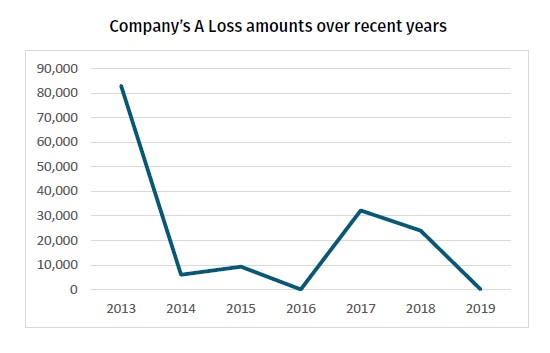
CNS reviewed carrier’s roadside safety, performance, driver files, loss ratio history, systems, and process. CNS analyzed the company had no losses but high BASIC SMS scores. Upon further investigation there were only two drivers that had bad records.

CNS developed hiring and qualification standards and implemented these standards within the company. The company also engaged CNS to manage their divers through drivers qualifications, monitoring drivers and training drivers.

As shown in the graph, the clients safety scores improved year after year.

As a result of the improved safety scores CNS Insurance was able to secure insurance which saved the company $100,000.00 in annual premium. The client has been a loyal CNS and CNS Insurance customer for 6 years.

We Are Your Insurance Family

We are always a phone call away.

Our customer service is unmatched and we take pride in the fact that we build lasting relationships with everyone we talk to whether you are a client or not.

Quick Commercial High Risk Carrier Insurance Quote

Do you have an Insurance Submission Packet? (upload any relevant information about vehicles, drivers, etc.)

Frequently Asked Questions

If your questions are not answered below, you can contact one of our Commercial Trucking Insurance Specialists and we are happy to help with anything you may need.

High-risk commercial truck insurance is specialized coverage designed for fleets and carriers with elevated risk factors such as poor SAFER scores, high CSA violations, frequent claims, accidents, driver turnover, or conditional safety ratings. These policies are structured to keep carriers legally operating while they work to reduce risk.

A fleet may be classified as high risk due to bad SAFER scores, multiple accidents, high claim frequency, driver qualification issues, conditional or unsatisfactory FMCSA ratings, poor maintenance records, or rapid growth without proper controls.

Premiums are higher because insurers view high-risk fleets as more likely to generate claims. Poor loss history, unsafe driving behavior, regulatory violations, and weak safety management all increase underwriting risk and limit carrier options.

Yes. New ventures often lack operating history, which insurers treat as higher risk. New DOT numbers, inexperienced drivers, limited safety programs, or rapid fleet expansion can all place a new carrier into a high-risk category.

Yes. While options may be limited, specialized insurance markets exist for high-risk carriers. Working with an insurance provider experienced in transportation risk is critical to accessing these programs.

Yes. Improved hiring standards, driver training programs, preventative maintenance systems, and updated safety policies can gradually improve loss history and SAFER scores, leading to better insurance options over time.

Yes. High-risk fleets should review coverage multiple times per year, especially after accidents, fleet changes, cargo changes, or regulatory events, to avoid gaps or denied claims.

Common mistakes include underinsuring cargo, ignoring trailer interchange needs, failing to update policies after operational changes, poor driver classification, and skipping annual insurance and safety reviews.

The most effective strategy combines risk mitigation and insurance strategy—improving safety culture, compliance, driver accountability, and maintenance practices while working with an insurance partner who understands high-risk transportation markets.