
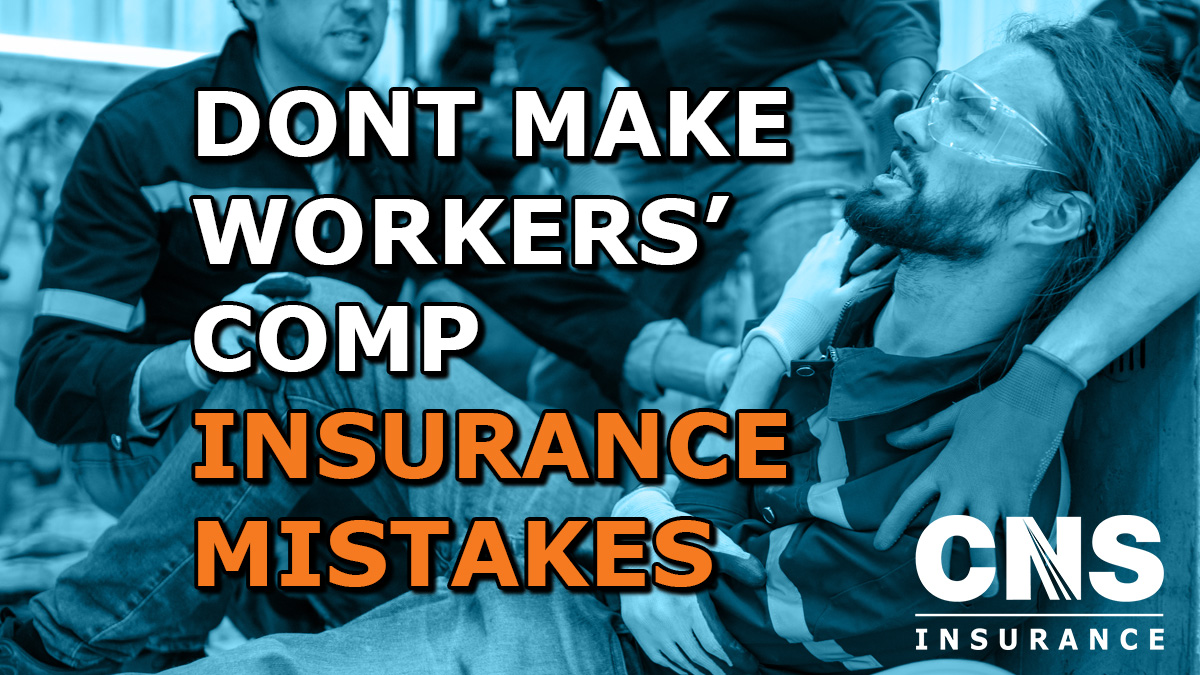
Your employees are your most valuable resource—and protecting them is even more important than protecting any other aspect of your business. That’s why workers’ compensation insurance is not optional; it’s essential.
Yet, across Pennsylvania, Delaware, Virginia, and Maryland, many businesses are unknowingly operating out of compliance—either because they never had coverage when required, or because they let their policy lapse and are now struggling to get it reinstated.
Unfortunately, by the time employers realize the problem, it’s often after an injury has already occurred—and the financial and legal consequences can be devastating.
What is a Workers’ Compensation Insurance Policy?
Workers’ compensation insurance ensures that your employees are protected if they suffer a work-related injury or illness, regardless of who was at fault.
Health or medical insurance does not substitute for workers’ comp coverage. Employees are only covered for on-the-job injuries or job-related illnesses—and without a valid policy, those costs fall directly on the employer.
Coverage typically includes:
- Medical expenses: doctor visits, physical therapy, prescriptions, and hospital stays
- Wage benefits: compensation for lost income during recovery
- Disability benefits: if an injury results in partial or permanent disability
- Death benefits: payments to dependents if a workplace injury results in death
Workers’ compensation coverage is necessary regardless of fault—meaning even if an employee’s own negligence caused the incident, they’re usually still eligible for benefits.
The Biggest Problem: Missing or Lapsed Coverage
The most common issue facing employers today is operating without workers’ compensation coverage—either because they didn’t know they needed it or they let it expire without realizing the implications.
Once coverage lapses, most insurers view your business as high-risk, making it much harder and more expensive to secure a new policy. Some carriers may even deny coverage entirely until you demonstrate a consistent history of compliance.
If your business has one or more employees and you do not carry workers’ compensation insurance, you are legally and financially responsible for:
- All medical and rehabilitation costs
- Lost wages
- Potential legal settlements or lawsuits
Did You Know? States that require workers’ comp coverage impose significant penalties for companies that don’t comply.
Here’s how it breaks down in our region:
- Pennsylvania: Fines up to $2,500 per day and possible misdemeanor or felony charges.
- Delaware: Fines up to $10,000 per violation for noncompliance.
- Virginia: Civil penalties up to $250 per day, capped at $50,000, and potential stop-work orders.
- Maryland: Fines up to $10,000 and possible criminal prosecution.
Even more alarming, some states can revoke business licenses or shut down operations until compliance is restored.
Why Workers’ Compensation Coverage is Non-Negotiable
It doesn’t matter what industry you’re in—accidents happen. In fact, according to the Bureau of Labor Statistics, the top 5 occupations with the highest rates of workplace injuries in recent years include:
- Nursing assistants
- Heavy truck and tractor-trailer drivers
- Laborers and freight/material movers
- Light truck drivers
- Construction laborers
Whether your team is on the road, on the jobsite, or in a warehouse, the risk of injury is always present. A single accident could cost your business thousands in medical bills, lost productivity, and legal penalties if you’re uninsured.
How to Get or Reinstate Workers’ Compensation Insurance
If you recently discovered that your coverage lapsed—or that you were supposed to have it all along—don’t panic. But do act fast.
Here’s what to do:
- Contact a trusted insurance specialist. Work with an expert like CNS Insurance, who understands transportation, logistics, and multi-state coverage requirements.
- Determine your classification codes. Each employee type is assigned a risk-based code by NCCI or your state’s rating bureau, which affects your premium. Accurate coding prevents costly audit adjustments later.
- Estimate and monitor payroll. Your workers’ comp premium is based on payroll. Regularly report changes to avoid surprise bills or coverage gaps.
- Review your policy annually. Each renewal includes an audit—use it to confirm employee classifications, payroll updates, and state coverage needs.
- Consider multi-state policies. If employees work or travel across PA, DE, VA, or MD, you may need multiple policies or an endorsement to ensure coverage applies in every state.
Tip: Don’t forget—some states require that all truck drivers, including owner-operators, be covered under workers’ compensation insurance.
Real-World Example
Imagine a small construction company in Lancaster, PA, that had coverage two years ago but let it lapse after downsizing. Business picked up again this year, and they hired a few workers without realizing they were still required to maintain workers’ comp coverage.
Then, an employee falls from scaffolding and breaks an arm. The company is now liable for tens of thousands of dollars in medical costs—and may face state fines or legal action for operating without a policy.
This scenario happens more often than you’d think—and it’s entirely preventable with proactive compliance and annual policy reviews.
Protect Your Business Before It’s Too Late
Don’t wait until an accident happens to find out you’re not covered. CNS Insurance can help you ensure your business—and your people—are protected.
Call us at 800.724.5523 or email info@cnsinsures.com to speak with our Insurance Specialists.