As temperatures rise and summer activity ramps up, businesses that rely on fleets, company vehicles, or employee drivers face a significant increase in operational and insurance-related risks.
From increased road congestion and extreme heat to seasonal staffing challenges and higher accident rates, summer can create serious liability exposures for organizations that depend on transportation to keep operations moving.
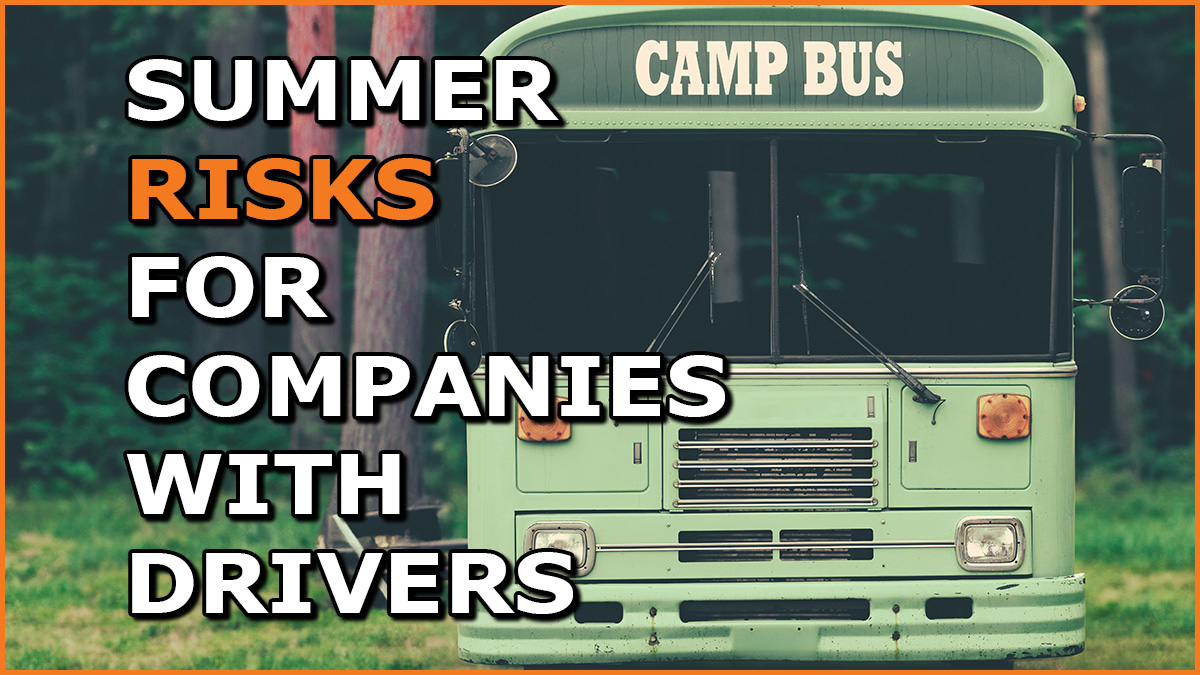
Whether your business operates delivery vans, service trucks, utility vehicles, passenger transportation (especially for summer camps), or employee-driven company cars, proactive planning is essential to reducing claims, protecting employees, and minimizing costly disruptions during the busiest travel season of the year.
Here’s what to look for.
Why Summer Creates Higher Risk for Fleet Operations
Summer months typically bring heavier traffic, road construction, vacation travel, and unpredictable weather conditions that increase the likelihood of accidents and vehicle-related incidents.
At the same time, many businesses experience increased demand, tighter delivery schedules, and seasonal hiring, all of which can contribute to elevated exposure behind the wheel.
Businesses commonly impacted include:
- Transportation and logistics companies
- Contractors and construction firms
- Landscaping and lawn care businesses
- Utility and service providers
- Food and beverage distributors
- HVAC, plumbing, and electrical companies
- Municipal and public works fleets
- Healthcare and home service organizations
- Delivery and courier operations
- Businesses with employee-driven vehicles
Even a minor vehicle incident can lead to costly insurance claims, operational downtime, injuries, legal expenses, and reputational damage.
Common Summer Fleet Risks Businesses Should Address
Distracted and Fatigued Driving
Summer traffic congestion, longer daylight hours, and increased road travel can contribute to distracted or fatigued driving. Employees may spend more time behind the wheel, increasing the likelihood of preventable accidents.
Heat-Related Vehicle Breakdowns
Extreme temperatures can place additional strain on tires, batteries, cooling systems, and engines. Poorly maintained vehicles are more vulnerable to roadside breakdowns, tire blowouts, and overheating incidents.
Increased Accident Frequency
More drivers on the road during summer vacation season often means more collisions. Construction zones, unfamiliar drivers, and congested highways can create additional hazards for commercial fleets.
Seasonal Driver Shortages and New Hires
Many businesses rely on temporary or seasonal drivers during busy summer months. Inexperienced operators or rushed onboarding processes can increase liability exposure if training and screening are insufficient.
Cargo and Equipment Damage
High temperatures, severe storms, and improper load securement can damage cargo, tools, or transported equipment. Businesses transporting temperature-sensitive products may face additional exposure.
Severe Weather and Emergency Response Risks
Summer storms, flooding, high winds, and wildfire smoke can quickly create dangerous driving conditions. Without clear response procedures, businesses may struggle to protect drivers and assets during weather emergencies.
Risk Management Strategies for Businesses with Fleets
Reducing summer driving risks requires proactive planning, vehicle maintenance, and strong driver safety practices. Businesses should consider implementing the following measures before peak summer operations begin:
Perform Preventive Vehicle Maintenance
Inspect fleet vehicles regularly for tire wear, brake performance, cooling system issues, battery health, and air conditioning functionality. Preventive maintenance can help reduce roadside failures and costly downtime.
Reinforce Driver Safety Training
Provide refresher training on distracted driving prevention, heat-related driving hazards, construction zone awareness, and defensive driving practices. Seasonal drivers should receive the same level of onboarding and safety instruction as permanent employees.
Review Driver Qualification and Screening Procedures
Ensure all drivers maintain valid licenses, proper certifications, acceptable motor vehicle records, and required medical qualifications where applicable.
Develop Heat and Weather Response Plans
Establish clear procedures for severe weather events, excessive heat, flooding, and emergency vehicle breakdowns. Drivers should understand when operations should be delayed or suspended due to unsafe conditions.
Monitor Vehicle Telematics and Driver Behavior
GPS tracking, dash cameras, and telematics systems can help businesses identify unsafe driving habits, speeding, harsh braking, and excessive idle time before incidents occur.
Secure Cargo and Equipment Properly
Review load securement practices and ensure drivers inspect cargo regularly during transport. Equipment and tools should be protected against shifting, weather exposure, and theft.
Encourage Driver Wellness and Hydration
Heat stress and dehydration can impair driver focus and reaction time. Encourage drivers to stay hydrated, take breaks, and recognize signs of heat-related illness during long shifts.
Insurance Coverages Businesses Should Review Before Summer
Summer is an ideal time for businesses to review their commercial insurance policies and identify potential gaps in fleet protection.
Important coverages may include:
- Commercial Auto Insurance
- Hired and Non-Owned Auto Coverage
- General Liability Insurance
- Inland Marine Coverage for tools and equipment
- Cargo Insurance
- Umbrella or Excess Liability Coverage
- Workers’ Compensation Insurance
- Physical Damage Coverage
- Roadside Assistance and Towing Coverage
- Employment Practices Liability Insurance (EPLI)
- Cyber and Telematics Coverage for connected fleet systems
Businesses should also review policy limits, deductibles, driver eligibility requirements, and exclusions with their insurance advisor to ensure coverage aligns with current operations and fleet size.
Prepare Your Fleet Before Summer Risks Become Claims
For businesses that rely on vehicles and drivers every day, summer can introduce unique operational challenges that increase both safety and insurance exposures.
By strengthening driver training, maintaining vehicles proactively, preparing for seasonal hazards, and reviewing insurance coverage ahead of time, organizations can better protect employees, reduce costly claims, and keep operations running smoothly throughout the busiest months of the year.
Preparation today can help prevent serious losses tomorrow.
At CNS Insurance, we specialize in trucking and transportation risk. We help carriers identify coverage gaps, reduce exposure, and protect their business long-term.
Before we can get you an estimate, we are going to need some information.
Fill out a complete quote or quick quote to get started. If you have any questions or concerns, please call us at 800.724.5523 or email info@cnsinsures.com.