Frequently Asked Questions
If your questions are not answered below, you can contact one of our Commercial Trucking Insurance Specialists and we are happy to help with anything you may need.
Commercial auto insurance provides coverage for vehicles used for business purposes, including liability, physical damage, and medical expenses related to accidents. It protects businesses financially when company-owned or business-used vehicles are involved in collisions or claims.
Yes. Commercial truck insurance is mandatory in all 50 states for trucking operations. Federal and state regulations require minimum liability coverage to legally operate, and additional coverage may be required depending on cargo, routes, and contracts.
Commercial auto insurance generally covers light-duty business vehicles, while trucking insurance is designed for heavier commercial trucks and regulated carriers. Trucking policies often include specialized coverages such as motor carrier liability, cargo insurance, and trailer interchange.
Last-mile and mid-mile insurance is designed for delivery operations that transport goods to distribution centers or final destinations. It helps address coverage gaps, especially when drivers are independent contractors who may not be covered under traditional workers’ compensation policies.
Pay-per-mile insurance allows trucking companies to base premiums on the number of miles driven rather than a fixed rate. It’s commonly used by new trucking companies, small fleets, and low-mileage operators looking for more flexible insurance costs.
Cargo values have increased significantly, and many carriers still carry outdated limits. Underinsured or excluded cargo can result in denied claims, leaving carriers financially responsible for losses that can exceed tens or hundreds of thousands of dollars.
Diminished value coverage accounts for the reduction in resale or market value of a vehicle after an accident—even after repairs are completed. This coverage helps offset the long-term financial impact of an accident on a commercial vehicle.
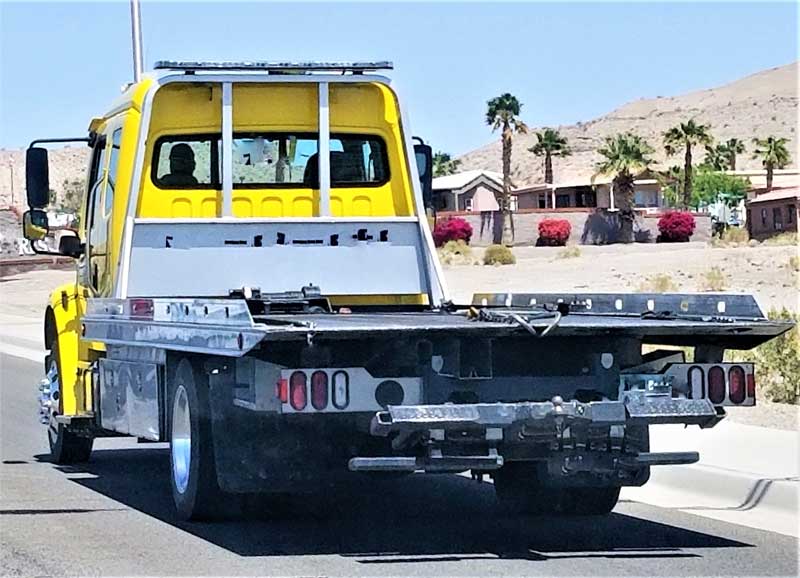
On-hook towing insurance covers damage to vehicles while they are being towed, including losses from collision, fire, or theft. It is essential coverage for towing and recovery operators.
Common gaps include underinsured cargo limits, lack of downtime or rental reimbursement coverage, missing trailer interchange coverage, ELD and telematics data liability exposure, and driver misclassification issues that can lead to denied claims.
Trucking companies should conduct a full insurance review at least once per year, ideally months before renewal. Changes in fleet size, cargo types, routes, drivers, or technology can quickly create coverage gaps if policies aren’t updated.